
How to Research Company Culture Before Applying: The 2026 Insider's Playbook
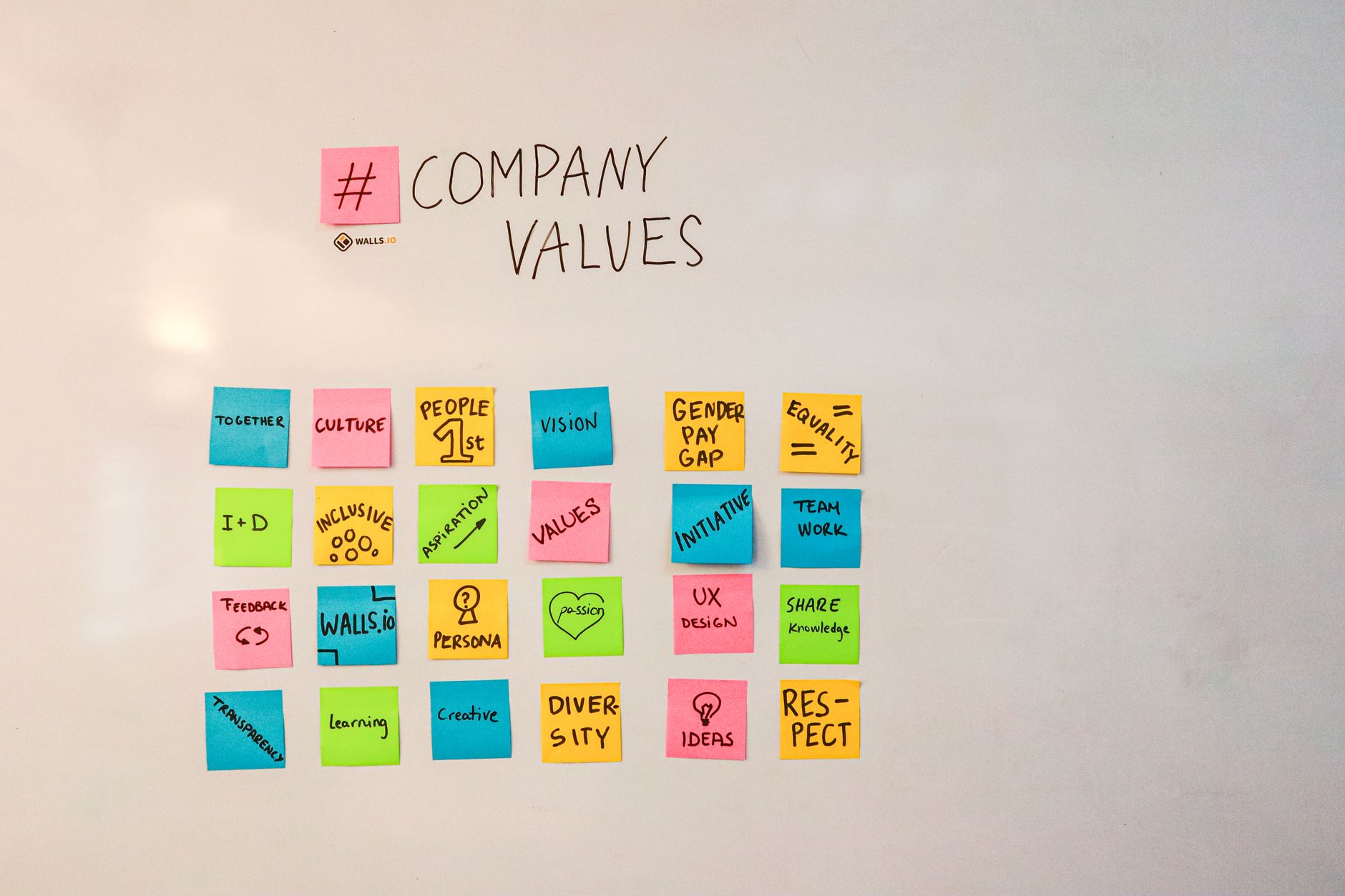
The job market in 2026 is unlike anything we’ve seen before. With AI reshaping hiring processes and companies competing harder than ever for top talent, knowing how to research company culture before applying has become your secret weapon. Here’s the thing: 47% of workers who quit in the past year cited toxic culture as their primary reason for leaving. That’s nearly half your potential future colleagues walking out the door because they didn’t do their homework first.
You wouldn’t buy a house without an inspection. You wouldn’t invest thousands in a stock without reading the prospectus. Yet millions of job seekers apply to companies based on a polished careers page and a few Glassdoor reviews. That approach is costing people years of career progress and mental health.
This guide shows you exactly how to research company culture before applying using methods that go far beyond the obvious. You’ll learn where to look, what red flags to spot, and how to decode what companies really mean when they say “we’re like a family here.”
Start With the Digital Footprint (But Go Deeper Than Glassdoor)
Everyone checks Glassdoor. That’s exactly why you need to dig deeper. Companies know candidates look there, so many have learned to game the system with incentivized reviews and HR responses that sound reassuring but say nothing.
Instead, start with LinkedIn’s alumni tool. Search for the company, click “Alumni,” and look at how long people stayed. If you see a pattern of 11-month tenures, that’s a red flag waving at you. High turnover in specific departments tells you where the problems live.
Next, examine the company’s GitHub repositories if they’re tech-focused. Active repositories with recent commits show a culture that values innovation and gives engineers time to contribute to open source. Abandoned projects or zero public code might indicate a more closed, less collaborative environment.
Check Blind and Fishbowl for unfiltered employee conversations. These anonymous platforms reveal what people really think when HR isn’t watching. Look for patterns in complaints—one person griping about a bad manager is normal; fifty people describing the same toxic behavior is a culture problem.
Don’t skip social media analysis. Scroll through the company’s LinkedIn posts from the past six months. Are they celebrating employee achievements, or is every post about sales numbers? Do they showcase diverse voices, or is it the same three executives? Companies reveal their priorities through what they amplify.
Decode the Job Description Like a Culture Detective
The job posting itself is a culture document most people read wrong. Beyond the role requirements, the language reveals everything about how the company operates.
“Fast-paced environment” often translates to “we’re understaffed and you’ll burn out.” “Self-starter” can mean “we have no onboarding process.” “Wears many hats” frequently signals “we want one person doing three jobs for one salary.”
Look for these specific clues:
- Length and specificity: Detailed job descriptions with clear success metrics suggest organized management. Vague postings with generic requirements often mean chaotic leadership.
- Salary transparency: Companies that post salary ranges (increasingly required by law in 2026) demonstrate fairness and reduce pay equity gaps. Those hiding compensation usually have something to hide.
- Benefits emphasis: If they lead with “competitive salary” but bury details about healthcare and time off, they might be compensating for poor work-life balance with cash.
- Language patterns: Count how many times they say “urgent,” “immediate,” or “fast-paced.” More than twice suggests a reactive, stressful environment.
Cross-reference the posting with the company’s actual career page. If the job description promises “collaborative culture” but their website shows no team photos or employee stories, that disconnect tells you something important.
Master the Art of the Informational Interview
Here’s where most guides fail you. They tell you to “network” without explaining how to extract real culture intelligence from those conversations. In 2026, with remote work normalized, you have unprecedented access to current and former employees.
Target the right people: Don’t just message the hiring manager. Find people who left the company in the past 12-18 months. They have fresh memories and no incentive to sugarcoat. Use LinkedIn’s “Past Company” filter to identify them.
Ask these specific questions:
- “What’s the biggest misconception people have about working there?”
- “Can you describe a recent disagreement between team members and how it was resolved?”
- “What happens when someone makes a mistake on your team?”
- “How has the culture changed since [specific event, like a merger or leadership change]?”
Notice these aren’t “Do you like working there?” questions. They’re behavioral, forcing specific examples that reveal actual culture rather than rehearsed talking points.
The 3-person rule: Never judge culture based on one conversation. Speak with at least three people: one current employee, one recent departure, and one person in your target department. Triangulate their stories. If all three mention “long hours” independently, believe them.
Analyze Leadership and External Signals
Culture flows from the top. In 2026, you can research executives more thoroughly than ever before.
LinkedIn activity audit: Check the CEO’s and department heads’ LinkedIn posts. Do they share credit with teams or take it personally? Do they post about work-life balance while employees comment about 60-hour weeks? That gap between rhetoric and reality predicts your future frustration.
News and press releases: Set up Google Alerts for the company name. Look for patterns in the news. Frequent lawsuits, especially around discrimination or wage theft, are massive red flags. Positive news about employee resource groups or community involvement suggests healthier values.
Financial health matters: Use Crunchbase or similar tools to check funding status. A company that just took a down round or laid off 20% of staff will have a fearful, unstable culture regardless of what their careers page promises.
The interview process itself: Pay attention to how they treat you. Do they respect your time? Are interviews rescheduled multiple times? Do they ghost you for weeks then suddenly demand immediate availability? The interview process is a preview of employment. Chaos here means chaos there.
Make Your Decision With a Culture Scorecard
After gathering all this intelligence, you need a system to evaluate it. Create a simple scorecard rating each company 1-10 on:
- Values alignment: Do their stated values match their actions?
- Growth opportunities: Can you see a path forward, or do people plateau quickly?
- Work-life integration: What do employees actually say about hours and flexibility?
- Leadership quality: Do leaders inspire confidence or fear?
- Stability: Is the company growing, stable, or declining?
Weight these based on your priorities. If you have young children, work-life integration might count for 40% of your decision. If you’re early career, growth opportunities might matter most.
The gut check: After all your research, ask yourself: “Would I be excited to tell my friends I work here?” If the answer is hesitant, trust that instinct. Your subconscious has processed signals your conscious mind missed.
Your Next Steps
Learning how to research company culture before applying transforms you from a desperate applicant into a discerning professional. You’re not just looking for any job—you’re looking for the right fit where you can thrive for years, not months.
Start today with one company you’re considering. Spend two hours applying these techniques. Check their Blind reviews, message one former employee, and analyze their leadership’s LinkedIn activity. You’ll be shocked what you discover.
The job market rewards those who do their homework. Companies with great cultures are fighting for talent like you. But you’ll only find them if you know where to look. Use this playbook, trust the evidence over the marketing, and you’ll land somewhere that energizes rather than exhausts you.
Your future self will thank you for the extra effort now.